
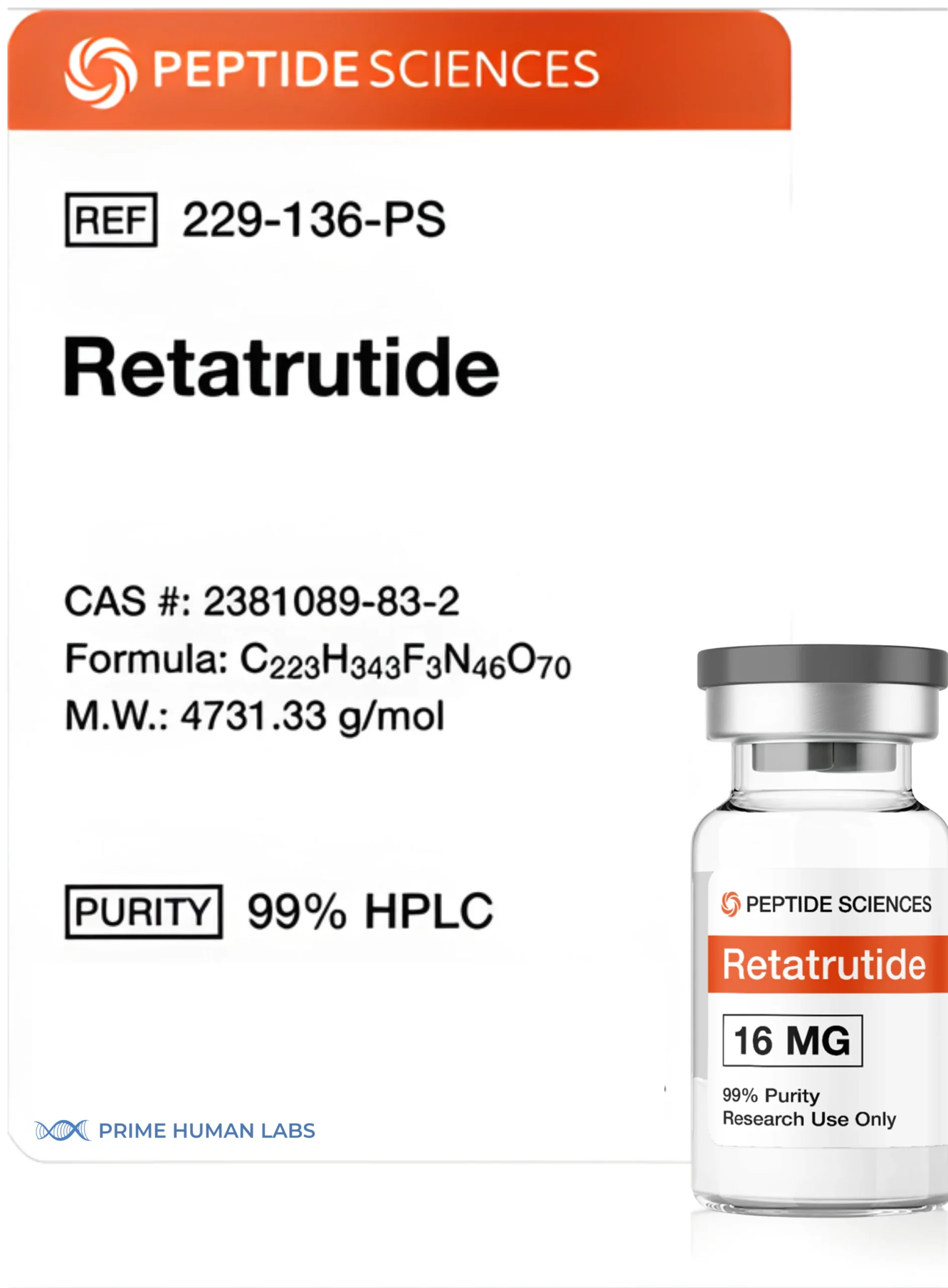
Retatrutide 16mg
$270.00
Why Retatrutide 16mg Is Trending in Peptide Sciences
Retatrutide 16mg is rapidly gaining attention in peptide sciences due to:
- Triple receptor (GLP-1, GIP, glucagon) activity
- Strong interest in metabolic pathway research
- Advanced multi-system biological modeling
- Increasing scientific publications and studies
- Growing focus on next-generation peptide development
These factors make it one of the most advanced compounds in modern peptides science research.
Retatrutide 16mg: Research Overview, Mechanism & Scientific Applications
Introduction to Retatrutide 16mg
Retatrutide 16mg is an advanced research peptide studied in modern peptide sciences for its unique multi-receptor activity and growing relevance in metabolic and endocrine research. It is widely explored in scientific studies focused on energy balance, glucose regulation, and complex hormonal signaling pathways.
In the evolving field of peptide science, Retatrutide stands out due to its multi-target mechanism, making it a key compound in advanced metabolic research models.
What Is Retatrutide 16mg?
Scientific Classification
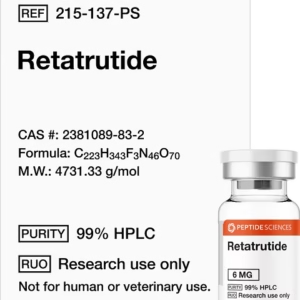
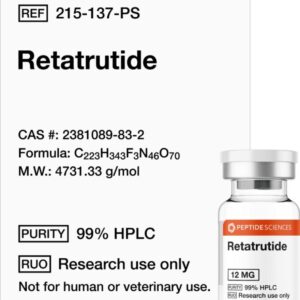
Retatrutide is classified as a triple receptor agonist, targeting GLP-1, GIP, and glucagon receptors. The 16mg form is commonly referenced in research settings for studying multi-pathway metabolic responses.
Importance in Peptide Sciences
Within peptides science, Retatrutide 16mg is valuable for investigating:
- Multi-hormone signaling pathways
- Glucose metabolism regulation
- Energy balance and utilization mechanisms
Mechanism of Action in Research
H3: Triple Receptor Activity
Retatrutide is studied for its interaction with three key receptors:
- GLP-1 receptors – regulate insulin and appetite signaling
- GIP receptors – influence nutrient response and metabolism
- Glucagon receptors – involved in energy mobilization
GLP−1+GIP+Glucagon→TriplemetabolicpathwayactivationGLP-1 + GIP + Glucagon \rightarrow Triple metabolic pathway activation
H3: Research Significance
This triple mechanism allows researchers to analyze how multiple hormonal systems interact simultaneously to regulate metabolic processes in a more complex and integrated way.
Be the first to review “Retatrutide 16mg”
Related products
Weight loss peptides
Weight loss peptides
Weight loss peptides
Weight loss peptides
Weight loss peptides
Weight loss peptides
Weight loss peptides
Weight loss peptides
Reviews
There are no reviews yet.